Table Of Content
Texture will likely be different as well, since newborn baby hair is usually very fine and fragile. As excited as you are about their new locks, refrain from styling your baby’s hair or using any hair elastics until they’re a bit older. The treatment for cradle cap is optional, as it tends to clear out on its own.
Everything You Need to Know About Baby Hair
Your newborn’s hair grows back on its own if they have no hidden medical conditions. Check out for medical issues like alopecia areata or ringworm symptoms and get them to a doctor to get treated. By the age of 7 months, babies start rolling over and their hair starts growing back if friction is the main cause of their hair loss.
The art of growing bald gracefully - CNN
The art of growing bald gracefully.
Posted: Thu, 20 Apr 2023 07:00:00 GMT [source]
What Is Jaundice in Newborns and How Is It Treated?
Also, hairstyles that involve braids can trigger traction alopecia, which causes hair loss. Thus, you might want to limit your baby’s hair washing to about two or three times a week if your baby does not have any scalp infections. Also, try using a suitable baby shampoo that is mild or make use of warm water. Therefore, whenever you see some strands of hair on your baby’s pillow during the first few weeks after birth, you mustn’t freight since this is part of the baby’s hair cycle. Hence, it doesn’t matter if your baby lies on their back while sleeping, as this is not responsible for the hair shedding but aids the process.
How long does it take for newborn hair to grow back?
How to Stop Postpartum Hair Loss - Today's Parent
How to Stop Postpartum Hair Loss.
Posted: Wed, 19 Jul 2017 17:33:03 GMT [source]
Your hormones travel through your bloodstream, so the elevated levels of pregnancy hormones in you also cross the placenta and reach your little one. It’s like the Swiss Army knife of oils, known for its nourishing properties and ability to make baby hair soft, shiny, and strong. Several things can factor here – genetics, nutritional deficiencies, or underlying health issues. It’s like solving a hairy mystery; sometimes, you need a pediatrician’s help to crack the case. There are many amino acids and proteins in avocado, which promote a healthy scalp and follicle growth (7). However, you should never leave your baby in this position unsupervised.
What are common types of hair loss?
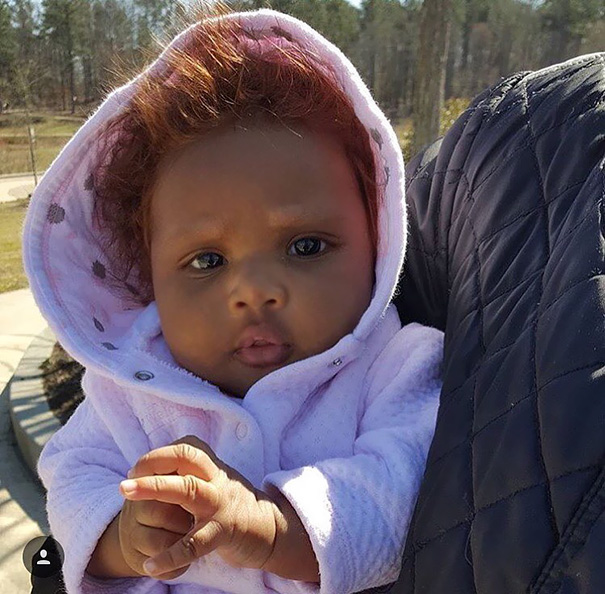
— which kick off what’s called the exogen phase in some parts of the scalp, causing lots of hair to fall out altogether. Parents are sometimes surprised to discover that when a baby grows a new head of hair it's a completely different color and texture than what he was born with. BabyCenter reader Julie's son Will was born with a full head of thick black hair.
What causes newborn hair loss?
Before we get into the specifics of baby hair loss, it’s important to note that the scientific term for this condition is telogen effluvium. This term can be both deceiving and alarming because telogen effluvium can be used to refer to a wide variety of hair loss in babies, children, and adults. This type of baby hair loss is called friction alopecia or neonatal occipital alopecia. However, there is nothing to worry about because by the end of 6 months, in the 7th month when your baby starts rolling over, the thin hairless patches on their head seats get filled up. One of the best things you can do to minimize the effects of baby hair loss is to avoid washing your baby’s hair every day. Even a gentle washing and the light friction of your hands against their scalp can accelerate the hair loss.
ABOUT BABYCENTRE
With my first baby, he lost almost all his hair on top of his head by 4 weeks old. This baby seems to have a little thicker hair and doesn’t seem to have any signs of hair loss yet. Just wondering if maybe I got lucky and this baby won’t lose it and look like an old man or if some people experienced hair loss a little later. To help clear up your baby’s scalp, wash their hair only with gentle shampoos. Avoid using anything with chemicals that can dry out their skin even more. In addition, use our Cradle Cap Cream to keep their head moisturized.

Note that hair loss can also be caused by external forces that have nothing to do with your baby’s hormones. Keep in mind that your baby is losing hair as a result of a natural process that’s occurring inside their body, which means that there’s very little you can do to prevent the situation. In other babies, the process happens quickly, and your newborn may go completely bald in a matter of days.
When to Call for Hair Loss
Before we move on, we’d like to go over the basics of cradle cap since it’s a common condition. Last but not least, dry your baby’s hair as soon as you’re finished washing it. Take your wet, slippery little one out of the tub and wrap them in a warm towel.
When baby hair falls out, it's replaced by permanent hair. Closer to your baby's first birthday and beyond, the new hair that comes in will be stronger and thicker. Your baby’s crowning glory is studded with crusty, scaly, sometimes oily patches of what looks like hardened dandruff? Doctors aren’t exactly sure what causes it, but many suspect yeast or hormonal changes that make the scalp produce more oil.
Our gentle shampoos are made from 99% naturally derived ingredients so you don’t have to worry about using them on your baby’s delicate scalp. These common activities won’t irritate their scalp — or make them lose more hair — once they’ve started the process of regrowth. Not only does this give the back of their head a rest and minimize hair loss, but it’s also essential for their overall health and physical development.
For other babies, you’ll see everything from sudden hair loss to interesting balding patterns that come and go over their first few months. You may even see hair loss in infants at the top of the head, which is also normal. Imagine one day your sweet babe has a thick head of hair, and the next he’s bald. But, in most cases, even sudden hair loss in infants is perfectly normal. That’s not to say your newborn will necessarily come into the world with a full head of hair — far from it.